Choosing between an RV trailer and a motorhome is one of the first decisions new RVers make. To drive or to tow? Each comes with trade-offs that aren’t always obvious until you’ve camped in both. This guide compares the pros and cons of owning a trailer vs a motorhome, including cost, ease of use, and upkeep. Then you’ll answer four quick questions to help you decide which one fits how you camp.
What Is the Difference Between a Towable RV and a Motorhome?
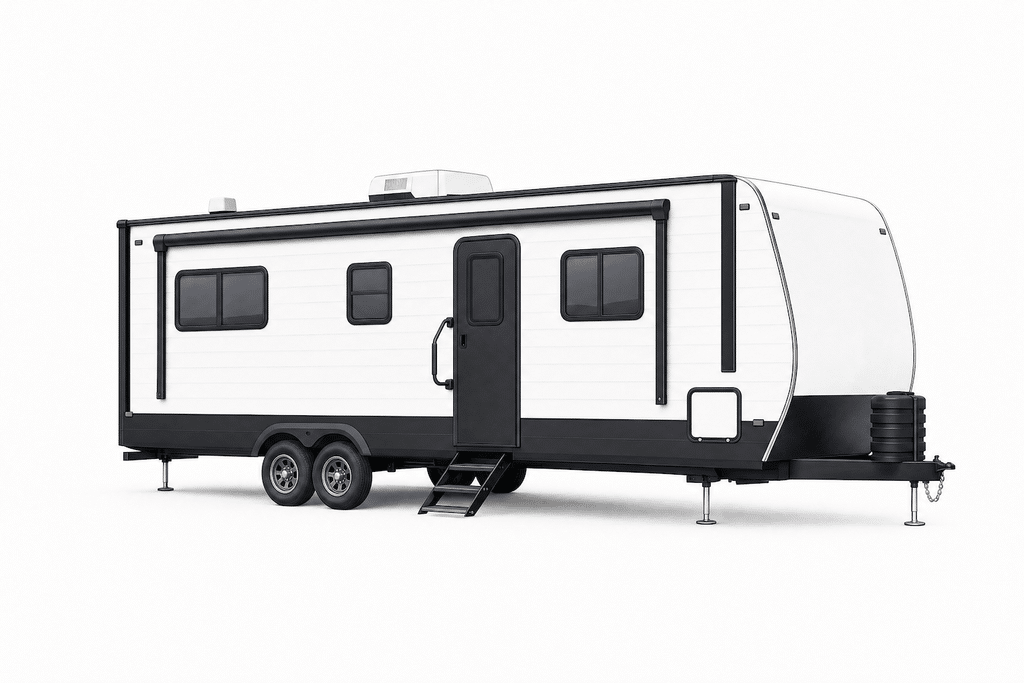
A towable RV trailer doesn’t have an engine and has to be pulled by a separate vehicle, usually a truck or SUV. Towables include travel trailers, fifth wheels, toy haulers, and several other types, which vary in size and suit certain kinds of camping better than others. Travel trailers connect with a ball hitch on the rear of the tow vehicle, while fifth wheels connect to a hitch mounted in a truck bed.
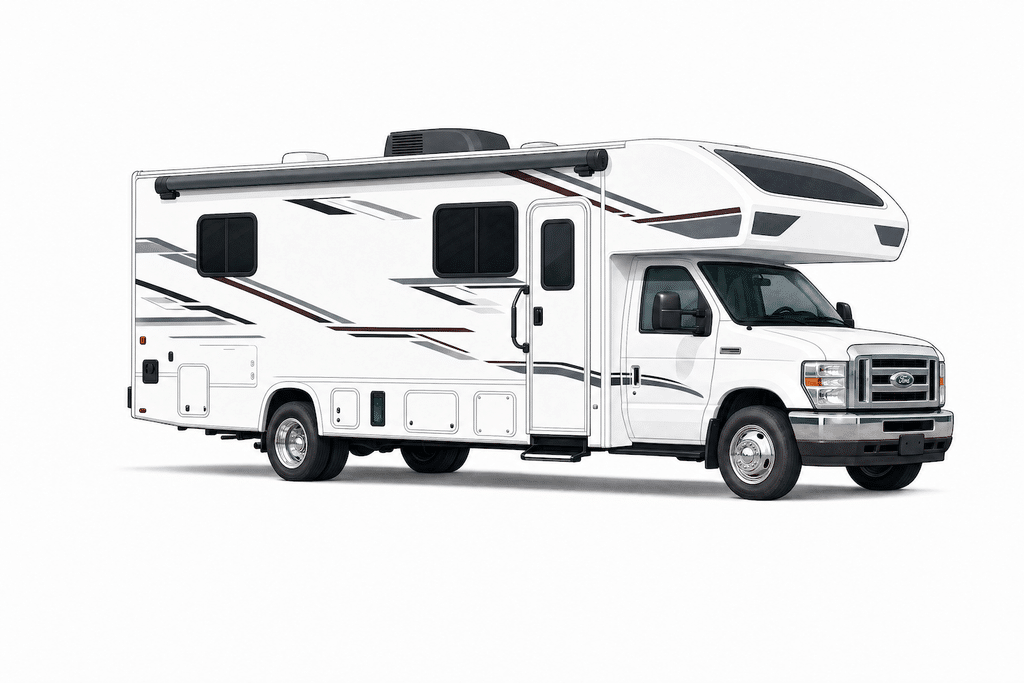
A motorhome has its own engine, so you drive it. The living space is built onto the vehicle chassis, and there are three main classes: A, B, and C. Each varies in size and suits a different style of travel.
For a closer look at each, see our complete guide to RV types.
RV Trailer vs Motorhome at a Glance
Here’s a quick overview of the most common differences. The sections below walk through each one at more length.
| Towable RV | Motorhome | |
|---|---|---|
| Price | Lower, but requires a tow vehicle | Higher |
| Driving | Towing and backing up take practice | No towing, but big ones take practice |
| Setup | Slower only because they don’t require hitching and unhitching | Faster, unless you tow a secondary vehicle |
| Mobility | Unhitch and drive | Pack up camp, or tow a car |
| Size | Widest range; bunkhouses are common | Bed above the cab in Class Cs; bunk rooms are less common |
| Breakdowns | You still have the other vehicle | You lose your ride and your home |
Price
Towables usually cost less than motorhomes. That’s mostly because a towable doesn’t have an engine, transmission, or chassis built in—you’re only paying for the living space.
The catch is that you need a vehicle to pull it.
If you already own a truck or SUV that can handle your RV, that’s a big head start. If you don’t, you’ll need to buy one, and that can close the price gap quickly. Not sure what your vehicle can tow, or if it can tow at all? Just plug in your VIN to our Towing Calculator and find out.
Fuel adds to the cost of both towables and motorhomes. But when comparing, note that on a typical travel day, a diesel truck pulling a large fifth wheel gets only slightly better mileage than a diesel pusher. The gap is smaller than many people expect. To significantly save on fuel, you’d want a small, lightweight travel trailer.
When it comes to the actual price of an RV, prices vary widely by brand, size, and condition, so treat the numbers below as typical ranges for new units rather than quotes. Towable prices don’t include a tow vehicle.
| Type | Typical new price |
|---|---|
| Entry-level travel trailer | $10,000 to $30,000 |
| Mid-range travel trailer | $30,000 to $55,000 |
| Entry fifth wheel | $30,000 to $60,000 |
| Class C gas motorhome | $60,000 to $200,000 |
| Class B van | $70,000 to $250,000+ |
| Class A gas motorhome | $80,000 to $350,000+ |
| Class A diesel motorhome | $200,000 to $1,000,000+ |
| Super C motorhome | $190,000 to $500,000+ |
For a full breakdown of purchase price and ownership costs, see how much an RV costs.
Driving
For many new RVers, getting on the road is one of the most intimidating parts of owning an RV. Both trailers and motorhomes take some getting used to, in different ways.
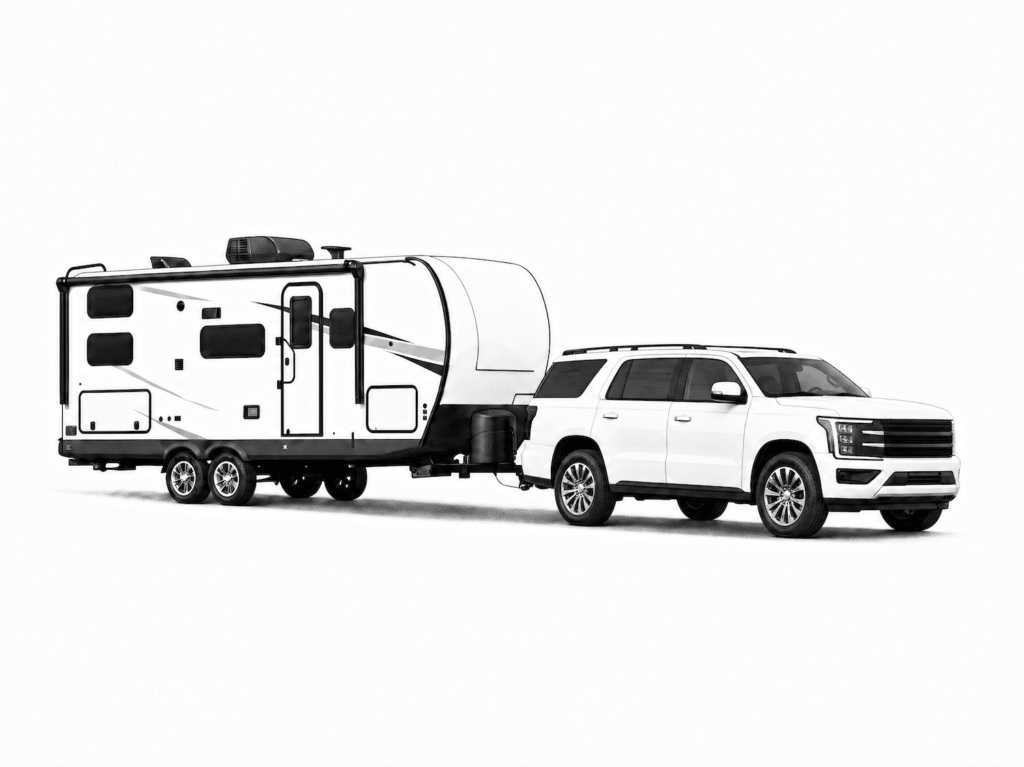
With a trailer, the challenge is towing. You’re pulling a separate camper behind your truck or SUV, so hitching up, managing sway, and reversing into a campsite take practice. Most people get comfortable with time.
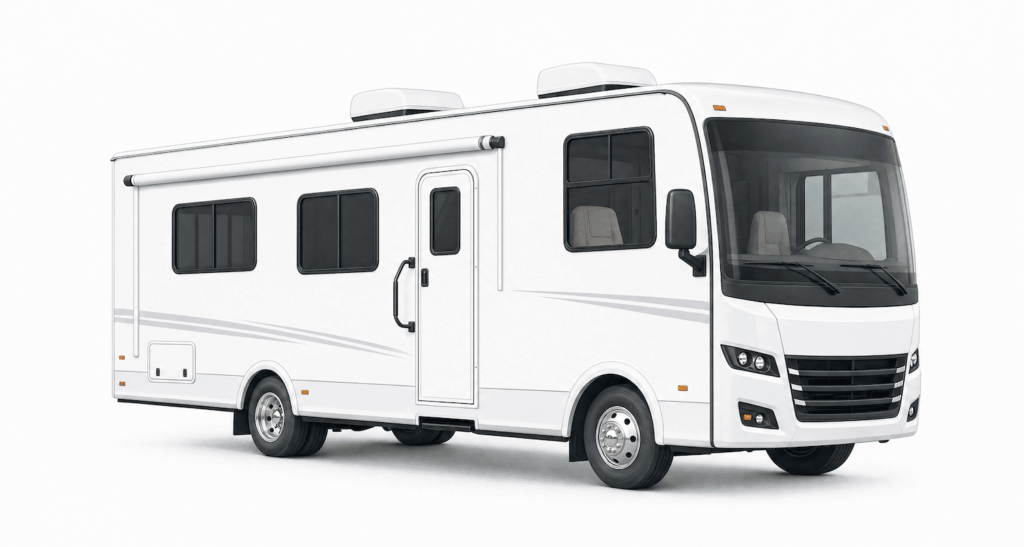
With a motorhome, the challenge is size. All are larger than standard vehicles, though Class Bs are the easiest, since they’re built on a van. Larger Class Cs and Class As drive more like a big truck or bus.
Expect a learning curve for both, as you get used to the need for wider turns and longer stopping distances. Parking and backing into tight spaces also take some getting used to, and length matters at the campsite as well as on the road. A tow vehicle and trailer together can exceed length limits at some campgrounds, and large motorhomes can be restricted on some roads and at some campsites.
The takeaway? The bigger the trailer or motorhome, the more skill it takes to drive and the more research you’ll need to find places to camp.
Setup
The steps for getting your RV ready to live in once you reach camp — and packing it back up before you leave — vary depending on the type of RV you have.
With an RV trailer, there are extra steps required to level and secure the camper before you unhitch, stabilize, and connect hookups. Leaving means doing it all in reverse. It gets faster with practice, but it adds time at every stop.
With a motorhome, setup is simpler: park, level, and connect your hookups — no hitching or unhitching required. Breaking camp is just as quick, unless you’re towing a car.
The takeaway? If you plan to move often, a motorhome’s quicker setup can save you time. If you’ll stay in one place for days at a time, the difference matters less.
Day Trips
Once you’re set up, how will you get around?
With a trailer, it’s easy. Unhitch, and your truck or SUV is free for groceries, trailheads, and sightseeing.
With a motorhome, every trip away from camp means disconnecting hookups and packing up—unless you bring a car. Many motorhomes can tow a small car, often called a toad, but it adds equipment and another vehicle to maintain. Check the motorhome’s tow rating and confirm the car can be flat-towed.
Learn more about towing a car behind a motorhome.
Size
How many people will you travel with? It’s one of the first questions new RVers should answer, and it can shape whether a towable RV trailer or a motorhome makes more sense. Both can sleep larger groups, but their sleeping setups and living spaces differ.
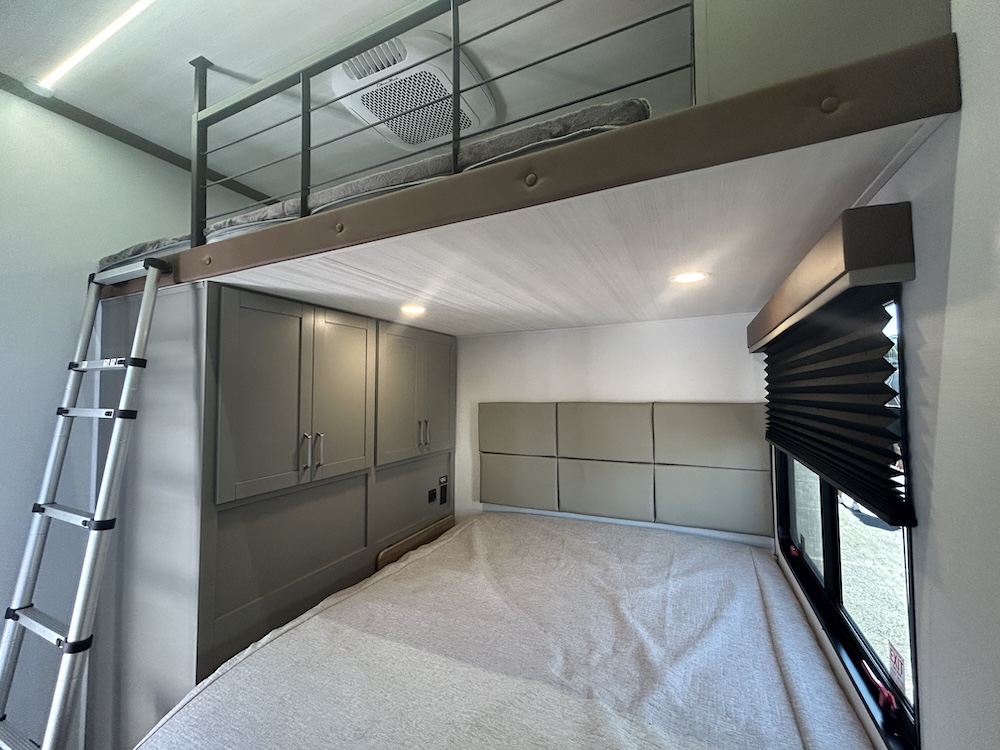
Many travel trailers and fifth wheels come with bunkhouse floor plans, featuring bunk beds in their own room or a separate area. A separate bunk room gives everyone more privacy. Fifth wheels also tend to have the most residential layouts. If privacy is a priority for your group, an RV trailer offers more floor plans to choose from.

Motorhomes give up space to the driver’s cab, which also limits how the floor plan can be laid out. Class C motorhomes—and some Class As—make up for some of it with a bed above the cab. Some Class C and Class A models offer bunk rooms, but they’re less common than in towables. Class B vans are the smallest and usually sleep two, unless equipped with a pop-top tent for the kids.
Breakdowns and Repairs
Any RV will need repairs eventually. What changes is how much a breakdown disrupts your trip, and how many vehicles you have to maintain.
RV trailers and motorhomes share the same living-space systems, such as plumbing, electrical systems, and appliances. The difference is the engine.
With a towable trailer, your RV and your tow vehicle are separate. If your truck is in the shop, you can still stay in your trailer at camp. If your trailer needs repairs, you still have a vehicle to get to the nearest hotel. But you’re maintaining two vehicles, and if your truck breaks down on a travel day, your trailer is stuck with it.
With a motorhome, you only have one engine to maintain. But your transportation and your living space are the same vehicle. If the engine or transmission needs work, you lose both until it’s fixed, and you’ll likely need somewhere else to stay. Repairs on a large vehicle can also be expensive.
The takeaway? A towable trailer gives you a backup if something breaks; a motorhome requires less maintenance. Either way, a roadside assistance plan, such as Good Sam Roadside Assistance, is worth pricing out before you hit the road.
How To Choose: Towable or Motorhome?
The right choice depends on your travel style, how often you’ll use the RV, and what you already own.
| Question | Leans towable | Leans motorhome |
|---|---|---|
| Do you already own a vehicle that can tow? | Yes, check its capacity with the Towing Calculator | No, and you don’t want to buy one |
| How do you feel about towing? | Willing to learn | Not interested |
| How often will you move camp? | Stay put for days at a time | Move often |
| Will you explore from camp? | Often | Rarely, or you’ll tow a car |
It’s a personal call, and plenty of RVers switch sides after a season or two.
Comparing Specific Types
Towables and motorhomes each come in a wide range of sizes, so comparing them as a whole only tells you so much. If you already have a sense of how much space you need, it’s more useful to compare the towable and motorhome that fit that need. Below, each type of towable is paired with the motorhome most similar in size and use.
Travel Trailer vs Class C Motorhome
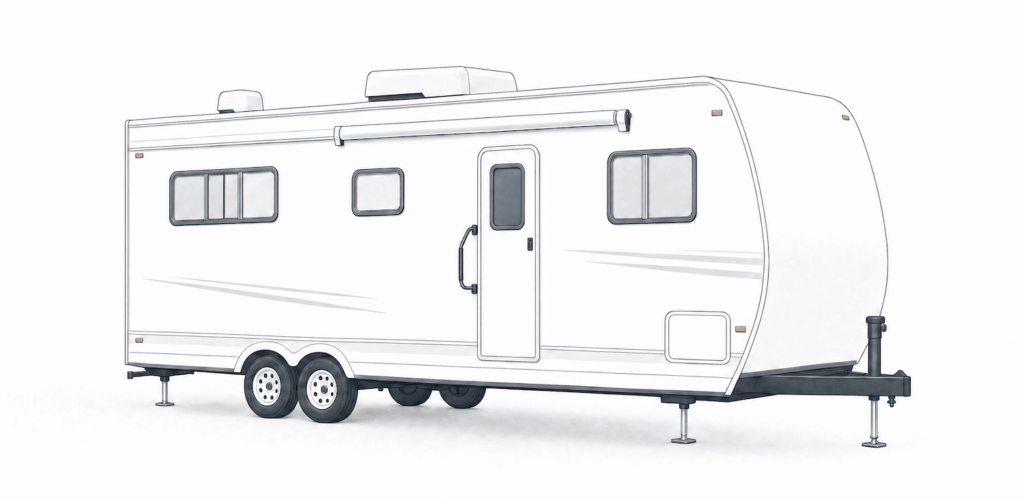
If you’re a family shopping for a mid-size RV, this is likely the comparison you’re making. Many travel trailers can be towed by an SUV or half-ton truck and come in bunkhouse floor plans. A Class C skips the tow vehicle and adds a bed above the cab. Price-wise, Class Cs are among the more affordable motorhomes, but an entry-level travel trailer still costs significantly less.
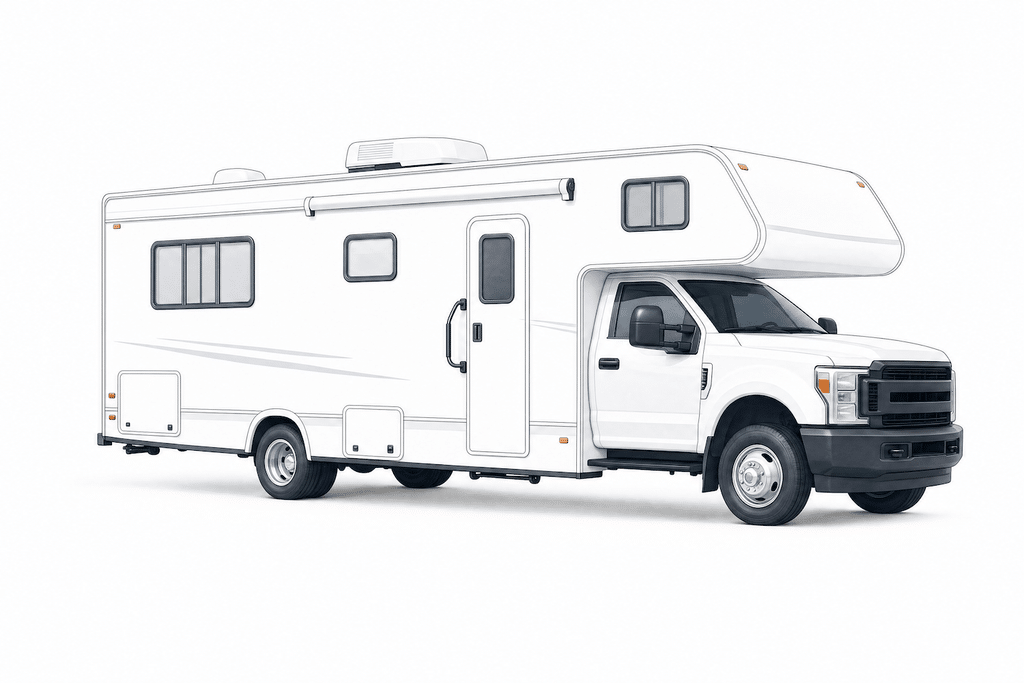
Fifth Wheel vs Class A Motorhome
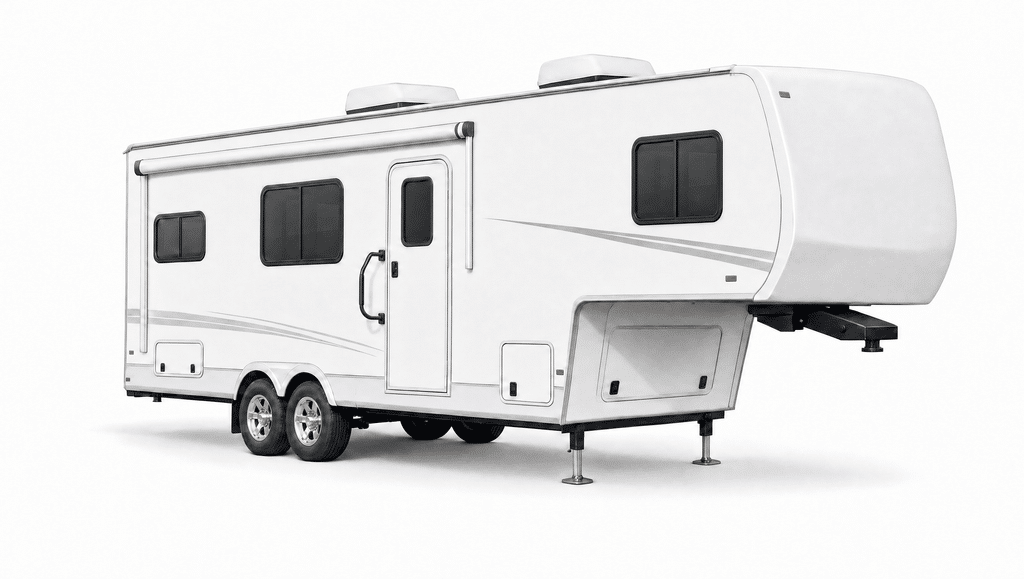
If you want the most space and a residential feel—dare we say luxury—you’re likely comparing these two. Both offer the largest floor plans, but a fifth wheel needs a truck with a bed-mounted hitch—often a heavy-duty one—so include its price if you don’t already own one.
Small Trailers vs Class B Camper Vans
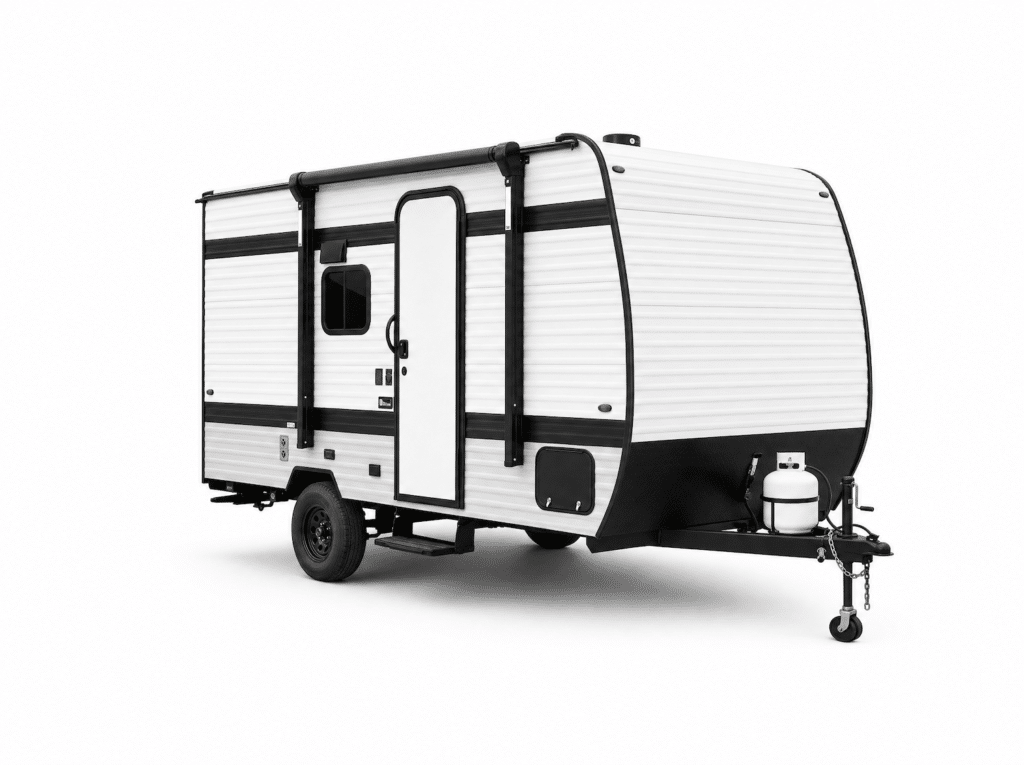
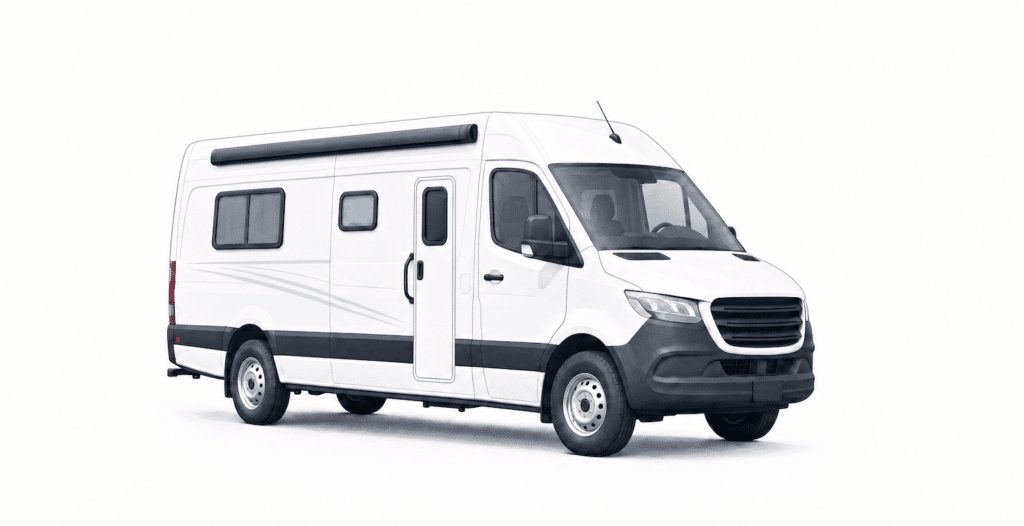
If you’re traveling solo or as a couple and want something easy to handle, this is your comparison. Pop-ups, teardrops, and small travel trailers cost less and can be towed by smaller vehicles. A Class B is the easiest motorhome to drive and park, but it costs far more and has less space. For more, see our guide to the best small campers.
Towable vs Motorhome Toy Haulers
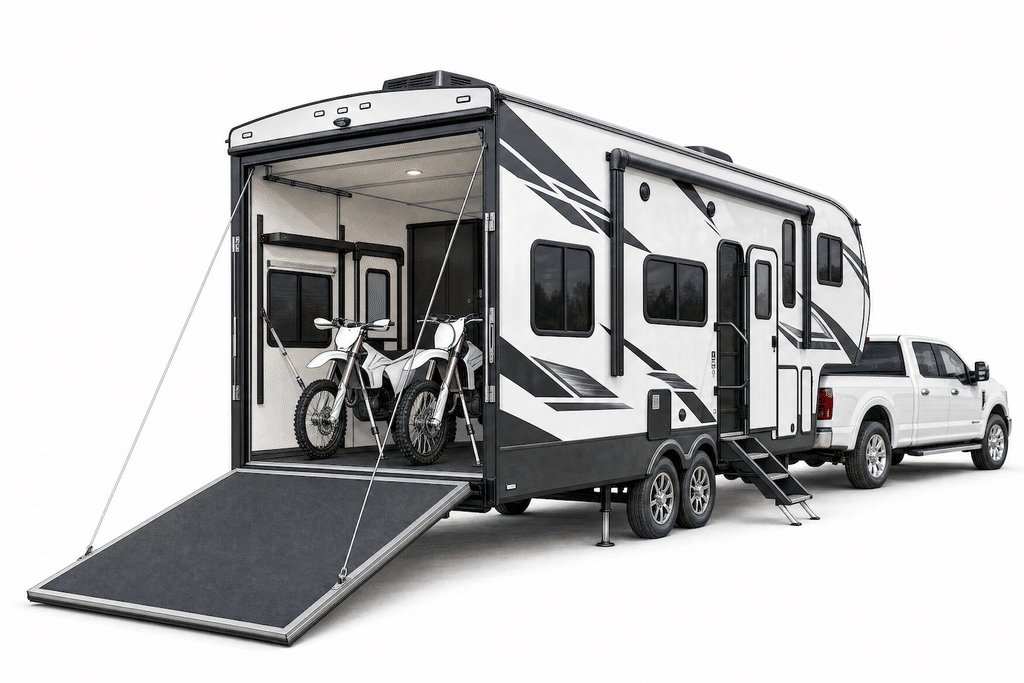
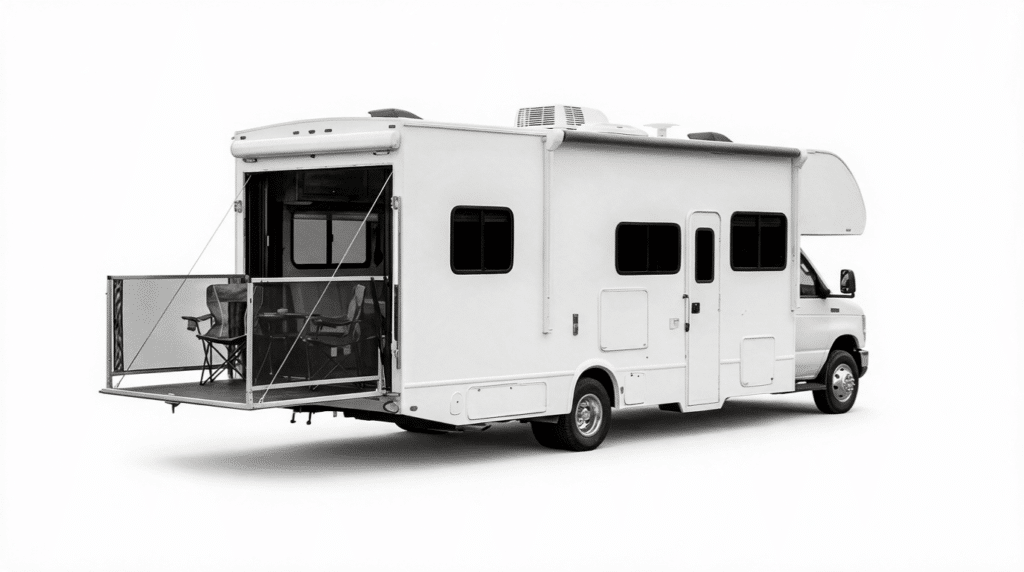
If you’re bringing ATVs, motorcycles, or bikes, look at toy haulers. They come as travel trailers, fifth wheels, and motorhomes, all with a rear garage. Your gear adds weight, so check your tow vehicle’s or motorhome’s ratings before you choose a floor plan.
Frequently Asked Questions
Neither wins for everyone. Towables suit first-timers who already own a capable vehicle or want a lower price. Motorhomes suit those who don’t want to tow or plan frequent long drives. Use the six questions above to see which way you lean.
Both need a careful inspection, but a motorhome adds the engine, transmission, and chassis to the list. If you’re buying used, have a qualified technician check the drivetrain and the living space.
Leaning trailer?
Leaning motorized?
Which way are you leaning? Tell us in the comments below.
The post RV Trailer vs Motorhome: Which Is Right for You? appeared first on Camping World Blog.